
Diabetic Retinopathy and Intravitreal Injection Care at Titanium Eye Care
- Zeenat Shah
- Oct 27, 2025
- 2 min read
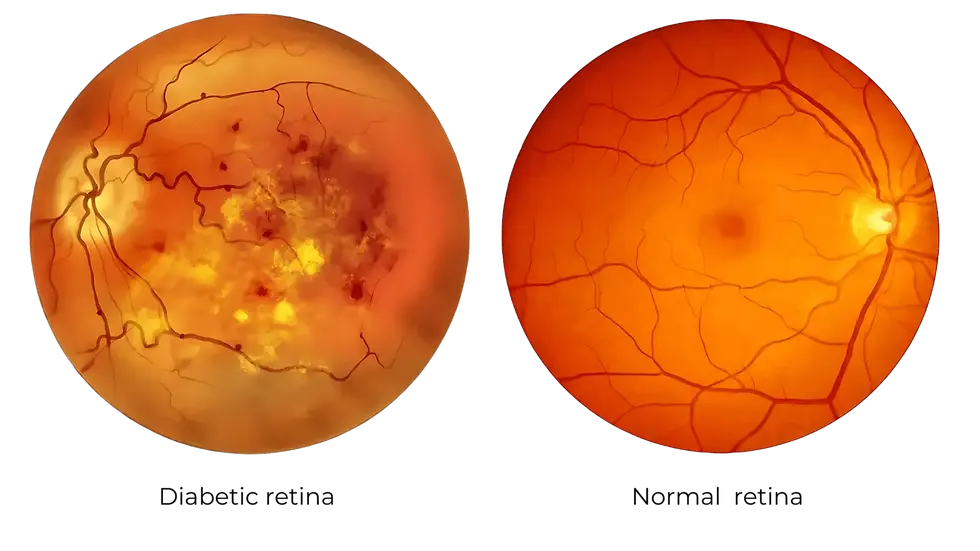
Diabetes affects many organs in the body, and the eyes are no exception. One of the most serious diabetes-related eye complications is Diabetic Retinopathy. It damages the retina, the light-sensitive layer at the back of the eye responsible for clear vision. Early detection and timely treatment can prevent severe vision loss.
What is Diabetic Retinopathy?
When blood sugar remains high for long periods, it weakens the tiny blood vessels inside the retina. This may cause:• Leakage of blood or fluid• Blocked blood vessels• Growth of abnormal fragile blood vessels• Swelling in the central retina (Diabetic Macular Edema)
Symptoms can be silent in the early stages. Many patients may not notice vision changes until the disease becomes advanced. That is why regular retina checkups are crucial for all diabetic individuals.
Warning Signs to Watch For
• Blurred or fluctuating vision• Dark spots or floaters in the field of view• Difficulties seeing at night• Sudden vision lossIf you notice any of these symptoms, immediate assessment by a retina specialist is needed.
How Are Intravitreal Injections Used in Treatment?
Modern diabetic eye care has advanced with intravitreal injections, which deliver medication directly into the back of the eye. These injections help:• Control swelling in the retina• Prevent leaking blood vessels• Stop the abnormal blood vessels from growing
Medications like Anti-VEGF agents and Steroids are commonly used to protect vision and slow disease progression.
The procedure is safe, quick and done under local anesthesia to maintain comfort.
Comprehensive Care at Titanium Eye Care
At Titanium Eye Care, we are committed to preserving the eyesight of diabetic patients through:✅ Advanced retinal imaging✅ OCT scan for early detection of macular swelling✅ Laser treatment when required✅ Safe and hygiene-focused intravitreal injections✅ Personalized monitoring and follow-up schedules
Our retina specialist provides professional guidance and ensures each patient receives timely treatment with the highest standards of care.
Prevention Starts With Regular Checkups
Every diabetic patient should undergo a retina examination at least once a year. Good control of blood sugar, blood pressure and cholesterol also plays a vital role in reducing complications.



Comments