
Why Regular Retinal Screening is Crucial for Diabetes Management
Diabetes affects millions worldwide, and one of its most serious complications is damage to the eyes. Many people with diabetes do not realize that their vision can be at risk long before symptoms appear. Regular retinal screening plays a vital role in detecting early signs of diabetic eye disease, helping prevent vision loss and maintain quality of life. This article explains why retinal screening is essential for anyone managing diabetes, what it involves, and how it can protect your eyesight.

Understanding Diabetic Eye Disease
Diabetes can cause several eye problems, but the most common and serious is diabetic retinopathy. This condition occurs when high blood sugar levels damage the tiny blood vessels in the retina, the light-sensitive tissue at the back of the eye. Over time, these damaged vessels can leak fluid or bleed, leading to vision problems.
There are different stages of diabetic retinopathy:
Mild Nonproliferative Retinopathy: Small areas of swelling in blood vessels.
Moderate Nonproliferative Retinopathy: More blood vessels become blocked.
Severe Nonproliferative Retinopathy: Many vessels are blocked, depriving retina of blood.
Proliferative Retinopathy: New abnormal blood vessels grow, which can bleed and cause scarring.
If left untreated, diabetic retinopathy can lead to blindness. Other diabetes-related eye conditions include diabetic macular edema (swelling in the retina) and cataracts.
Why Retinal Screening Matters
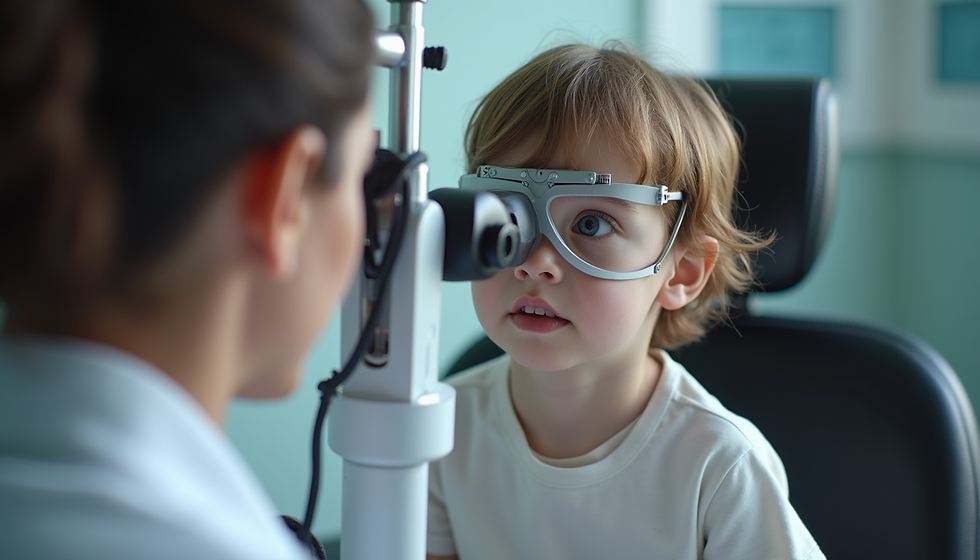
Retinal screening is a simple, painless test that allows eye specialists to examine the retina for early signs of damage. The importance of this screening lies in the fact that diabetic eye disease often develops without noticeable symptoms until it reaches an advanced stage. By the time vision changes occur, significant damage may have already happened.
Screening helps by:
Detecting early changes before symptoms appear
Allowing timely treatment to prevent progression
Monitoring the effectiveness of diabetes management
Reducing the risk of severe vision loss
Studies show that regular retinal screening and early treatment can reduce the risk of severe vision loss by up to 95%. This makes screening one of the most effective tools in diabetes care.
What Happens During Retinal Screening
Retinal screening usually involves a few steps:
Pupil Dilation: Eye drops are used to widen the pupils, allowing a better view of the retina.
Retinal Photography: A special camera takes detailed images of the retina.
Examination: An eye specialist reviews the images to look for signs of diabetic retinopathy or other issues.
The process takes about 15 to 30 minutes and is generally comfortable. Some people may experience light sensitivity or blurred vision for a few hours after dilation.
How Often Should People with Diabetes Get Screened?
The frequency of retinal screening depends on individual risk factors, but general guidelines recommend:
Type 1 Diabetes: First screening within 5 years of diagnosis, then annually.
Type 2 Diabetes: Screening at diagnosis, then annually.
More frequent screening if retinopathy is detected or if blood sugar control is poor.
People with diabetes should discuss their screening schedule with their healthcare provider to ensure timely eye exams.
Managing Diabetes to Protect Your Eyes
While retinal screening detects eye problems early, managing diabetes well is the best way to prevent damage. Key steps include:
Keeping blood sugar levels within target range
Controlling blood pressure and cholesterol
Avoiding smoking
Maintaining a healthy diet and regular exercise
Taking prescribed medications consistently
Good diabetes management reduces the risk of developing diabetic retinopathy and other complications.
Treatment Options for Diabetic Eye Disease
If screening detects diabetic retinopathy or macular edema, treatments can help prevent vision loss. These include:
Laser Therapy: Seals leaking blood vessels and reduces abnormal vessel growth.
Anti-VEGF Injections: Medications injected into the eye to reduce swelling and abnormal vessels.
Vitrectomy Surgery: Removal of blood or scar tissue from the eye in advanced cases.
Early detection through screening increases the chances that these treatments will be effective.
Overcoming Barriers to Retinal Screening
Despite its importance, many people with diabetes do not get regular retinal screening. Common barriers include:
Lack of awareness about the need for screening
Fear or discomfort with eye exams
Limited access to eye care services
Cost concerns
Healthcare providers and community programs can help by educating patients, offering convenient screening options, and supporting affordable care.
Practical Tips to Remember Your Screening
Schedule your retinal screening at the same time as other diabetes check-ups.
Set reminders on your phone or calendar.
Ask your healthcare provider about mobile or community screening programs.
Bring someone with you if you feel nervous about the exam.
Taking these steps can make it easier to keep up with regular eye exams.
Regular retinal screening is a powerful tool to protect vision for people living with diabetes. It detects early signs of eye damage before symptoms appear, allowing timely treatment that can prevent blindness. Combined with good diabetes management, retinal screening supports long-term eye health and quality of life. If you have diabetes, prioritize your eye health by scheduling your retinal screening today and encourage others to do the same. Your vision depends on it.

Comments