
FLOATERS AND ITS MANAGEMENT
- Zeenat Shah
- Jan 13
- 2 min read
Floaters are tiny spots, specks, or thread-like structures that drift across your field of vision. They are most noticeable when looking at a plain, bright background, like a blue sky or a white wall. Floaters are usually harmless but can occasionally indicate an underlying eye condition requiring medical attention.
Causes of Floaters
Aging Process (Vitreous Degeneration):
The vitreous humor (a gel-like substance in the eye) becomes more liquid as you age, causing collagen fibers to clump together, forming floaters.
Posterior Vitreous Detachment (PVD):
The vitreous gel separates from the retina, often leading to floaters.
Eye Injury or Trauma:
Trauma can cause blood or cellular debris to enter the vitreous, resulting in floaters.
Inflammation (Uveitis):
Inflammation in the eye can release inflammatory cells into the vitreous.
Retinal Tears or Detachments:
A tear or detachment in the retina may cause sudden floaters, sometimes accompanied by flashes of light.
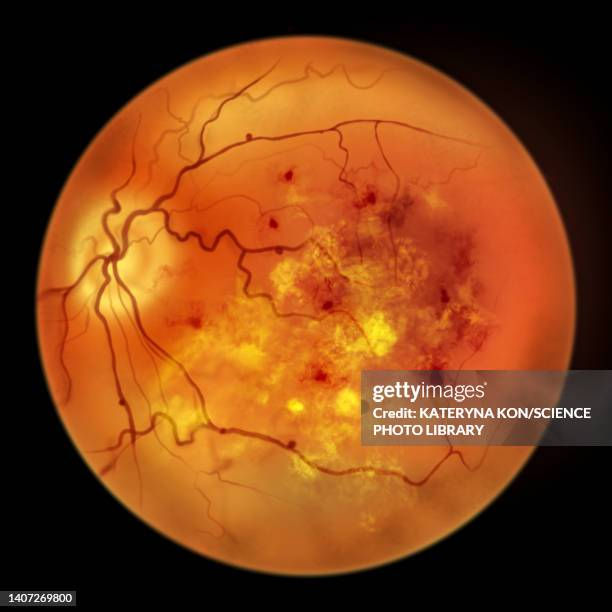
Bleeding (Vitreous Hemorrhage):
Conditions like diabetes or high blood pressure can cause blood vessels in the retina to leak, creating floaters.
Symptoms
Moving shadows or spots in vision.
Shapes that move with eye movement and seem to "float" away when you try to look directly at them.
Rarely, flashes of light (photopsia), which can indicate a more serious issue.
Management and Treatment
1. Observation
In most cases, floaters are harmless and diminish over time. They may not require treatment if they are not bothersome or linked to a serious condition.
2. Medical Management
Anti-inflammatory drugs (e.g., corticosteroids) may be prescribed if floaters are due to uveitis or inflammation.
Treatment of underlying systemic conditions (e.g., controlling diabetes or hypertension) can help reduce risk.
3. Vitrectomy
A surgical procedure where the vitreous gel is removed and replaced with a saline solution or gas bubble. This is reserved for severe cases where floaters significantly impact vision.
4. Laser Therapy (YAG Laser Vitreolysis)
A specialized laser can be used to break apart floaters, making them less noticeable. However, this is not widely available and carries risks.
When to See a Doctor
Seek immediate medical attention if:
Floaters suddenly increase in number.
You see flashes of light.
There is a shadow or curtain over part of your visual field.
You experience vision loss, as these symptoms can indicate retinal detachment.
Prevention
Regular eye exams, especially as you age or if you have risk factors like diabetes or nearsightedness.
Protect your eyes from trauma by wearing protective eyewear.
Maintain good control of systemic conditions like hypertension and diabetes.
Would you like more detailed information on a specific aspect of floaters?
Please consult our experts at TITANIUM EYE CARE , for appointments please call
@ 7604079944

Comments